

Lavrinc Blueberries
Blueberry research
Blueberries are often the subject of research because of their nutritional value, anthocyanin content and other bioactive compounds that researchers study in connection with different areas of nutrition and health.
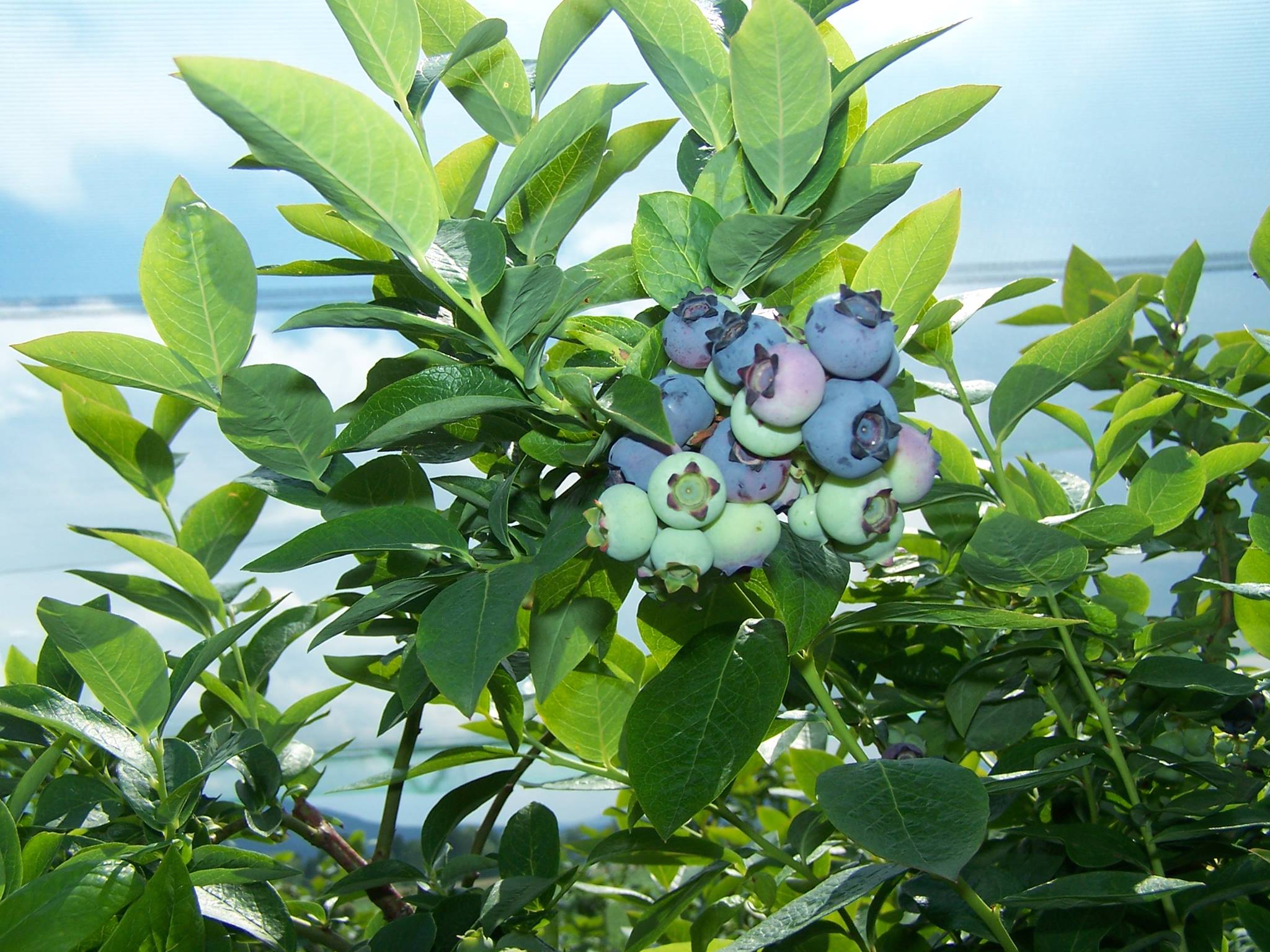
Composition and nutritional value of blueberries
Blueberries contain many bioactive substances, among which anthocyanins are especially interesting. These are natural plant pigments that give the fruit its characteristic blue-purple colour and belong to the group of antioxidants.
In addition to anthocyanins, blueberries also contain dietary fibre, organic acids, vitamins, minerals and other plant flavonoids. Because of this composition, they are often included by researchers in nutritional and biochemical studies.
Main types of blueberries
Highbush blueberries
The most commonly cultivated type for fresh blueberry production.
Lowbush blueberries
Common in North America and often used in processing as well.
European blueberries
Wild blueberries characteristic of European forests.
There are differences between the types, but blueberries in general contain similar groups of bioactive compounds that are the subject of many studies.
Antioxidants in blueberries
Blueberries are known for their high content of anthocyanins and other polyphenols. Review studies regularly place them among rich antioxidant sources within the berry group.
Modern research often uses different methods to compare antioxidant activity. Results differ between studies, but blueberries very often achieve high values compared with other commonly consumed fruits.
The comparison below shows antioxidant activity in one study in which blueberries had the highest value among the compared fruits, followed by blackberries, strawberries and raspberries.
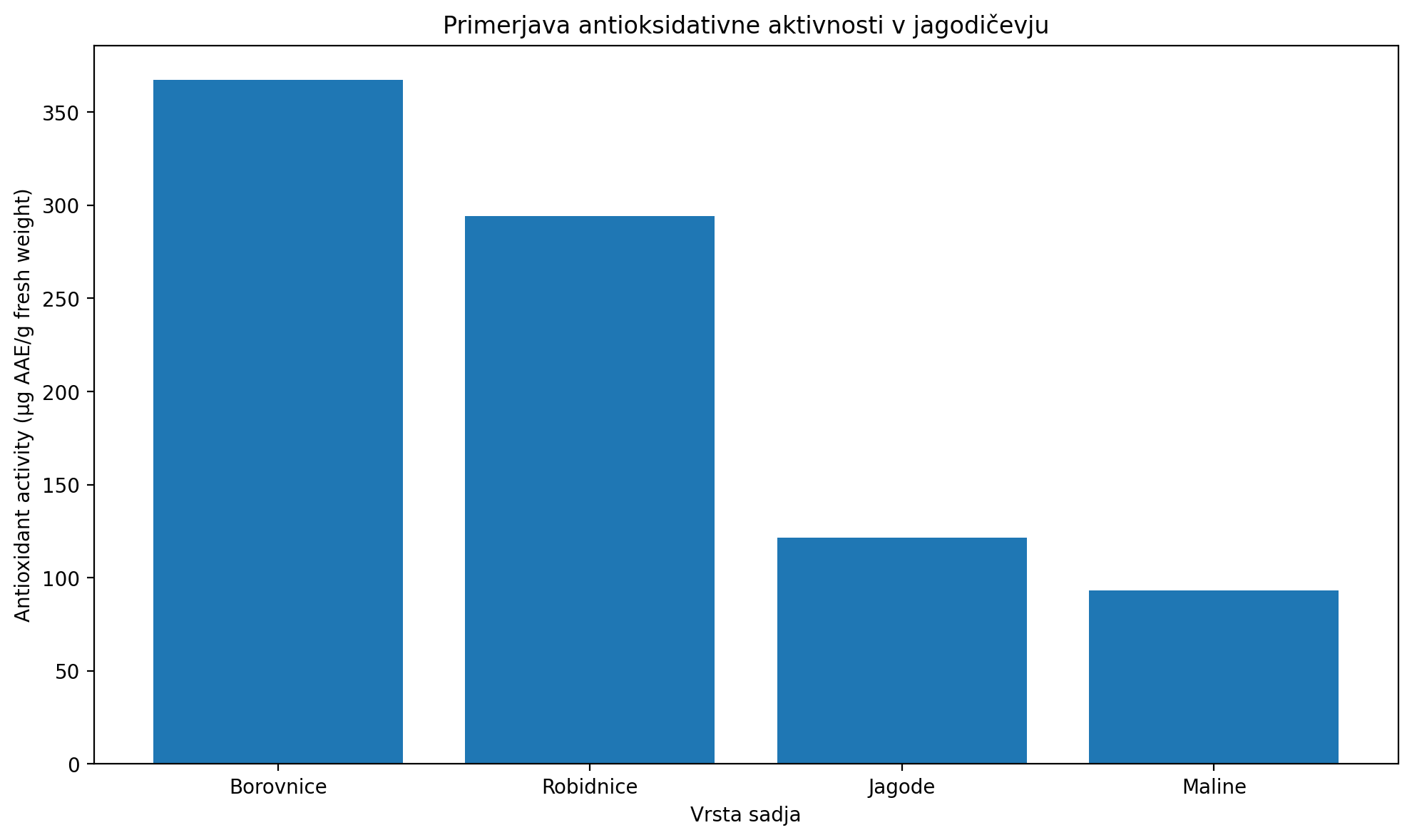
Comparative display of antioxidant activity in selected berry fruits.
Research areas
Heart and blood vessels
Researchers study the connection between blueberry intake and indicators related to cardiovascular health and microcirculation.
Sugar metabolism
Some studies focus on blood sugar regulation and glucoregulatory effects of blueberries.
Vision and capillaries
Anthocyanins are also studied because of their influence on capillary permeability, microcirculation and vision.
Anti-inflammatory effects
Bioactive compounds in blueberries are often included in studies on oxidative stress and inflammatory processes.
Digestive tract and urinary tract
Some studies address the potential influence of blueberries on digestion, the stomach and protective mechanisms of the urinary tract.
Brain and cognition
Another interesting field is research on the influence of flavonoids on the brain, memory and cognitive functions.
Important clarification
Blueberry research is mainly interesting as part of a broader understanding of nutrition and bioactive plant compounds. The information on this page is intended for general information only and does not represent health claims or a substitute for professional medical advice.
Research sources
Below are links to summaries and scientific sources about nutritional value, antioxidants and blueberry research.